
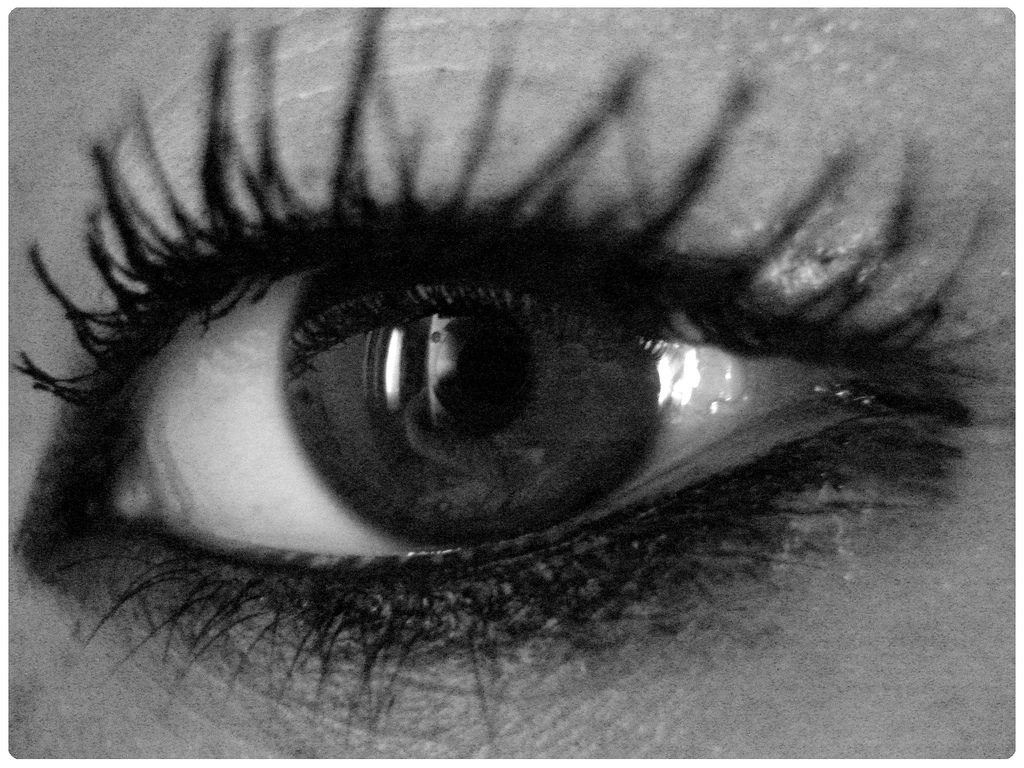
There is no such thing as truly permanent lash extensions. “Permanent” or “semi-permanent” lash extensions are individual synthetic lashes glued to your natural lashes, and they fall out as your own lashes shed, usually within a few weeks. Keeping them requires refills every two to four weeks. For longer-lasting change, the realistic options are lash lifts, prescription lash-growth treatments from a doctor, or, rarely, eyelash transplant surgery.
In this guide
- Why lash extensions cannot be permanent
- Comparing longer-lasting lash options
- How long lash extensions really last
- Getting the most from your lash extensions
- Lash lift: the longest-lasting no-glue option
- Medical lash growth
- Who should avoid lash extensions altogether
- Taking a break
- Frequently asked questions
Why lash extensions cannot be permanent
Each natural eyelash grows, rests and then falls out in a cycle. Every lash is at a different stage, so you shed a few lashes every day without noticing. Extensions are bonded to individual natural lashes, so when that lash falls out, the extension goes with it. That is why even the best-applied set gradually thins and needs refilling.
The word “permanent” is sometimes used in marketing to mean “long-wear” or “semi-permanent”, as opposed to strip lashes that you put on and take off the same day. It does not mean they last forever.
Comparing longer-lasting lash options
| Option | What it is | How long it lasts | Main points |
|---|---|---|---|
| Lash extensions (classic, hybrid, volume) | Synthetic lashes bonded one by one | Refills every 2 to 4 weeks | Most dramatic, needs upkeep |
| Lash lift and tint | Curls and darkens your own lashes | Roughly 6 to 8 weeks | Natural look, depends on your own lash length |
| Strip or cluster lashes | Temporary lashes you apply yourself | One day to a few days | Flexible, can irritate if glue is misused |
| Prescription lash-growth treatment | Medicine applied to the lash line, prescribed by a doctor | Effect lasts while used | Medical product with possible side effects |
| Eyelash transplant | Surgical transfer of hair follicles to the lid | Long-term | Surgery, trimming needed as hairs grow like scalp hair |
Durations above are typical ranges reported by studios and clinics, and individual results vary.
How long lash extensions really last
A fresh set usually looks full for about two weeks. After that, gaps appear as natural lashes shed. Refills between two and four weeks keep the set looking even. If you wait much longer, the remaining extensions grow out on longer natural lashes and can twist or feel heavy, and a full new set may be needed.
Extensions last as long as the natural lash they are attached to, which is why aftercare and refills matter more than the label “permanent”.
Getting the most from your lash extensions
Even though they are not permanent, a well-applied, well-cared-for set lasts noticeably longer.
Habits that extend wear
- Keep lashes dry for the time your technician recommends, often the first day
- Clean daily or every other day with an oil-free lash cleanser and a soft brush
- Brush them through gently once dry
- Avoid oil-based makeup removers and rich eye creams on the lash line
- Do not rub your eyes or sleep face-down into the pillow
- Do not pull or pick at extensions as they loosen
Our lash aftercare checklist sums up the main points.
In UAE summers, sweat, sunscreen and humidity can weaken the bond faster. Rinse away sweat after workouts rather than letting it dry on the lashes, and keep sunscreen just away from the lash line.
Lash lift: the longest-lasting no-glue option
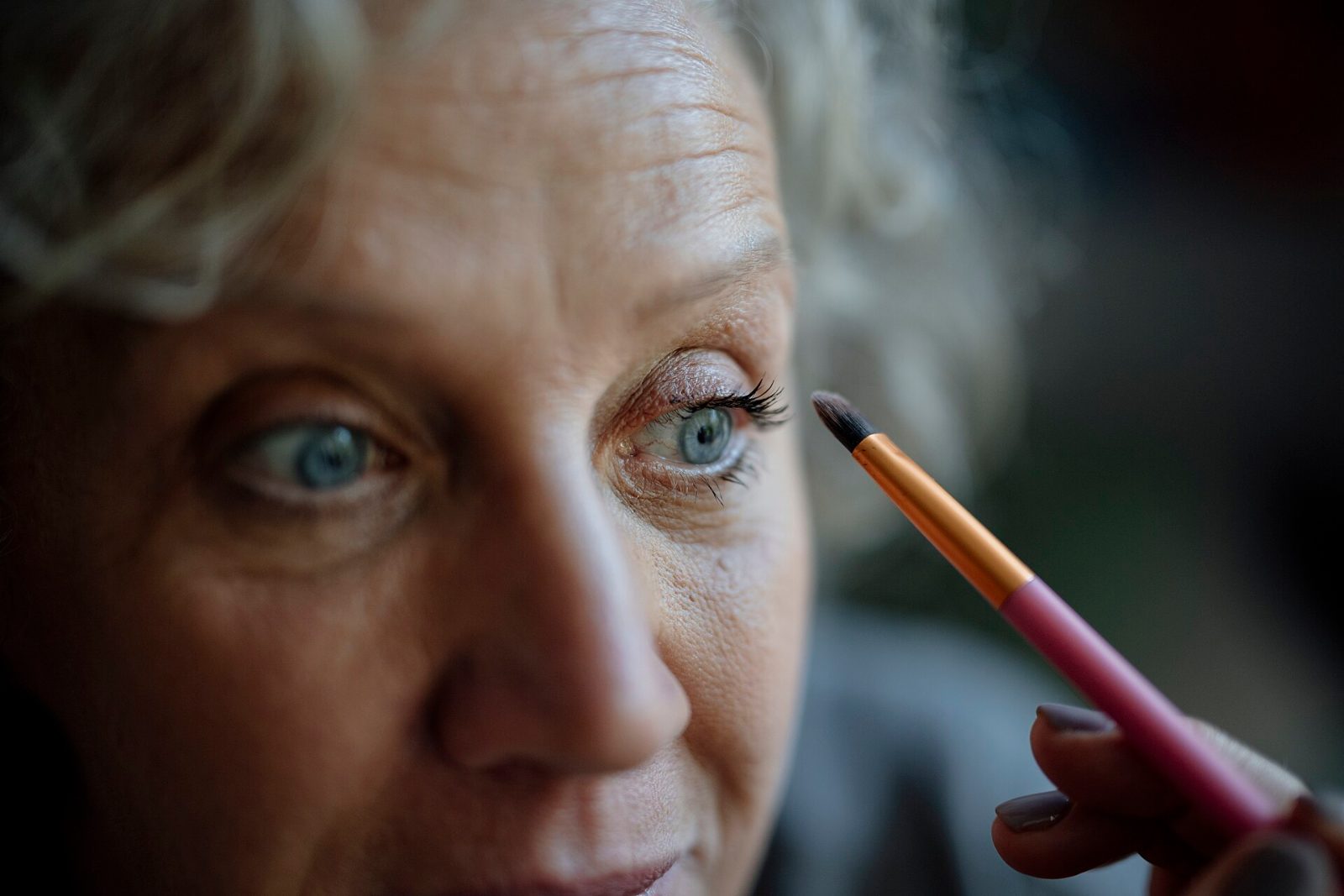
A lash lift uses a perming solution to curl your own lashes upward, often combined with a tint to darken them. It lasts roughly as long as your lash growth cycle, often six to eight weeks. It suits people with reasonably long natural lashes who want a natural look with no daily effort and no glue on the lashes.
Medical lash growth
Some prescription medicines can make lashes longer and darker when applied to the upper lash line. They are medical treatments, not cosmetics, and can have side effects such as eye irritation, redness, darkening of the eyelid skin and, rarely, changes in iris colour. They should only be used under the guidance of a doctor. Over-the-counter “lash serums” vary widely, and some contain ingredients related to these medicines, so read labels carefully and stop using any product that irritates your eyes.
Who should avoid lash extensions altogether
Extensions are not advised if you have
- a known allergy to lash adhesive (cyanoacrylate)
- an active eye infection, blepharitis or a stye
- very weak or sparse lashes after illness, chemotherapy or a hair-loss condition, unless a doctor agrees
- recently had eye surgery, until your doctor confirms it is safe
- a habit of pulling at your lashes
Seek medical help promptly if you have increasing eyelid swelling, eye pain, blurred vision or discharge after an appointment.
Taking a break
Many technicians recommend that clients who wear extensions continuously take an occasional break, especially if lashes look thinner. Opinions vary on how often. Have extensions professionally removed rather than pulling them off, which can take natural lashes with them.
Frequently asked questions
Are semi-permanent lashes the same as permanent lashes?
Yes, in everyday use these terms describe the same thing: extensions bonded to natural lashes that need refills. Neither is permanent.
What lasts longer, a lash lift or extensions?
A lash lift lasts longer between appointments, often six to eight weeks. Extensions need refills more often but give more length and volume.
Can lash extensions ruin my natural lashes?
Correctly applied sets of suitable weight, with good isolation and aftercare, should not cause lasting damage. Heavy sets and pulling at extensions can.
Is an eyelash transplant worth it?
It is a surgical procedure with its own risks and maintenance, usually considered only in specific situations. Discuss it with a qualified surgeon licensed in the UAE.
Sources: American Academy of Ophthalmology, U.S. Food and Drug Administration, cosmetics, NHS
Cover photo: Camila Zanon., CC BY 2.0. Last reviewed: 2026-11-25. General information only, not medical advice. Please consult a licensed practitioner in the UAE about your own situation.
