
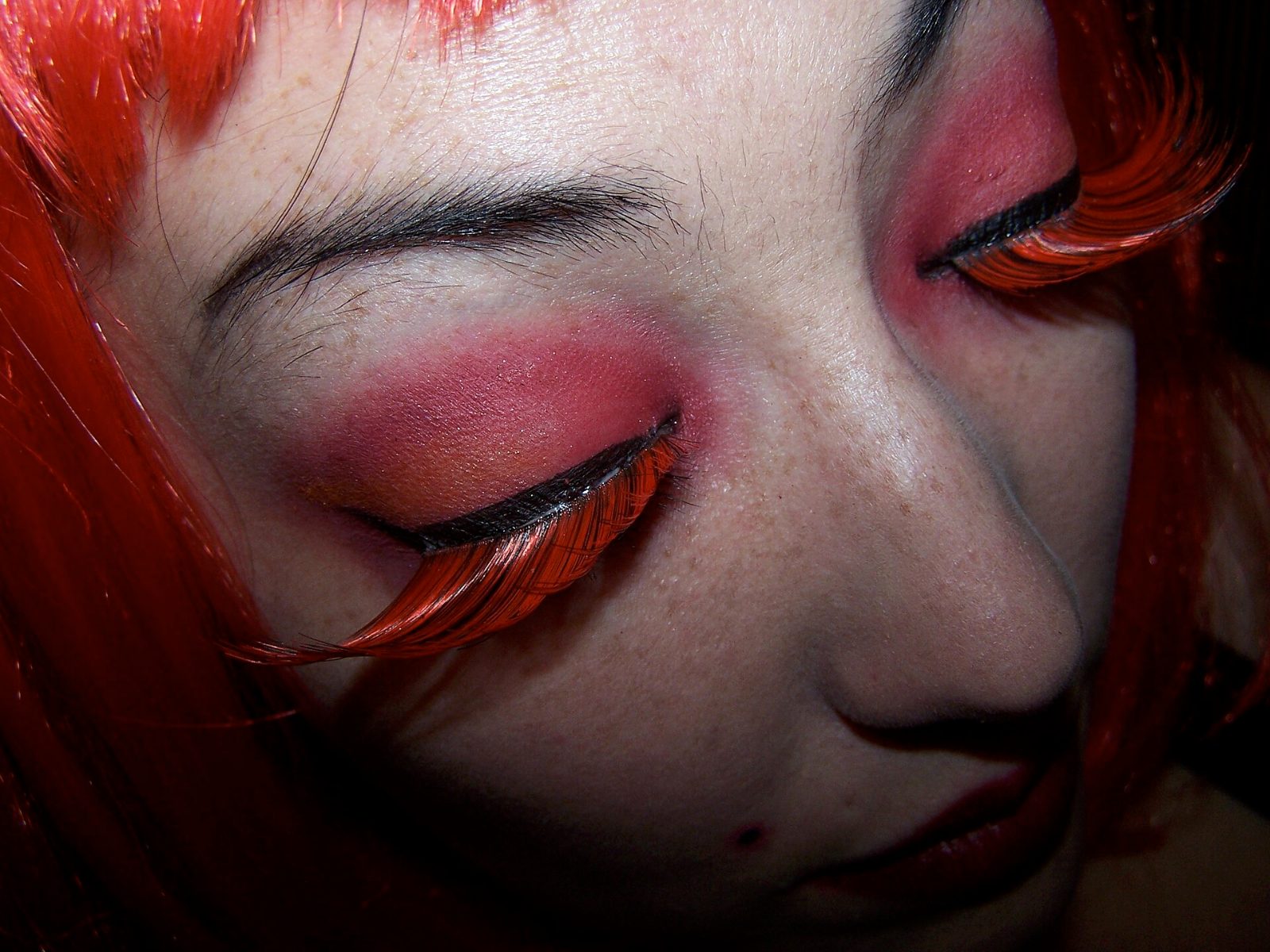
Lash extensions are individual synthetic fibres glued, one by one or in small fans, onto your natural lashes to make them look longer, darker and fuller for several weeks. They fall out naturally as your own lashes shed, so most people book an infill every two to four weeks to keep the look even.
How lash extensions are applied
You lie back with your eyes closed while the technician isolates a single natural lash with tweezers and attaches an extension to it, a short distance from the eyelid skin. The adhesive is a cyanoacrylate glue designed for lashes. The extension should never touch the skin or be glued to more than one natural lash, because sticking lashes together pulls on the follicles as they grow.
A full set usually takes between one and a half and three hours, depending on the style. Infills are shorter, since only the grown-out and lost lashes are replaced.
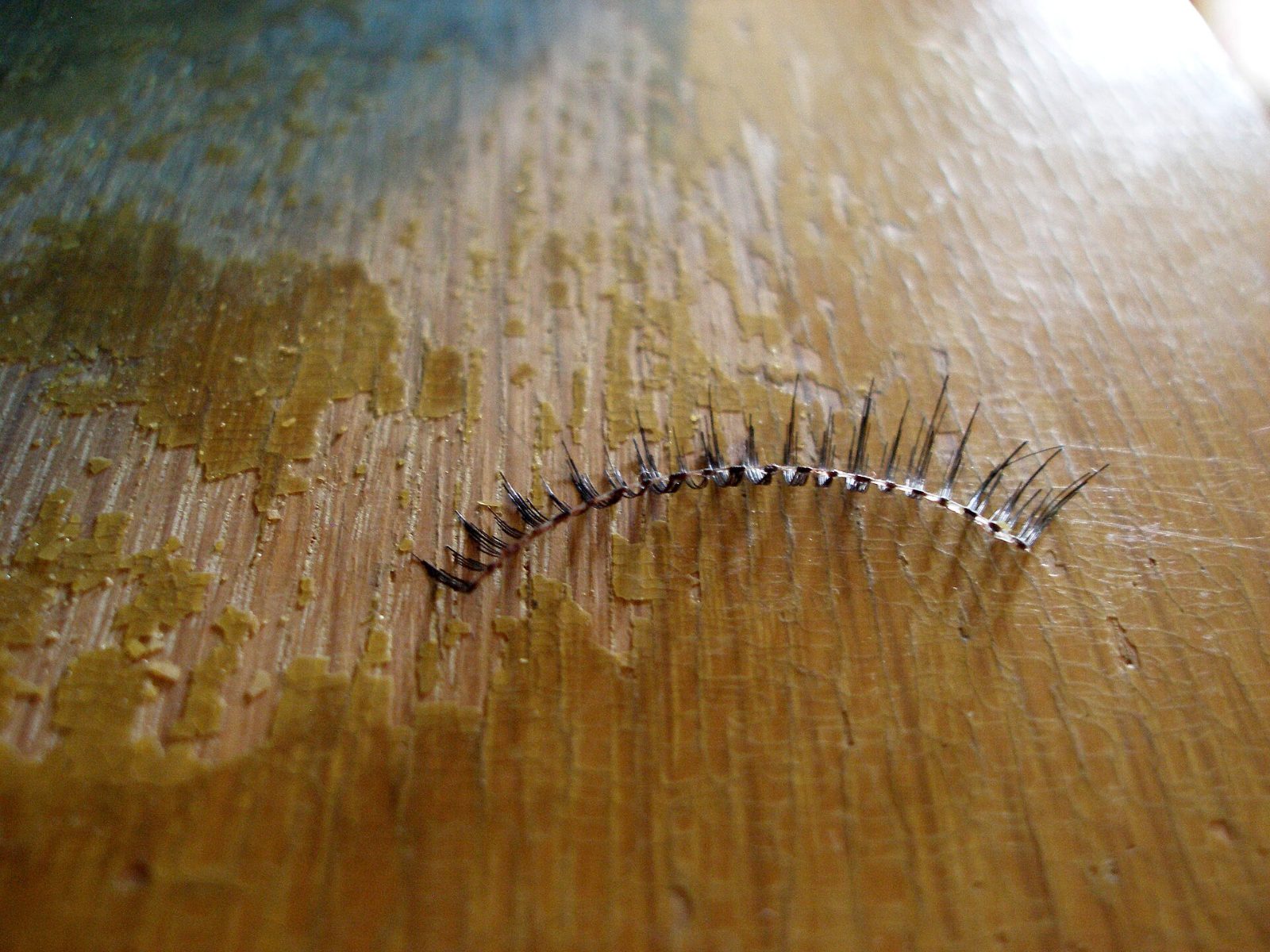
Classic, hybrid and volume: what the terms mean
| Style | How it is applied | Look | Good for |
|---|---|---|---|
| Classic | One extension on one natural lash | Natural, like mascara | Strong natural lashes, first-timers |
| Hybrid | A mix of classic singles and volume fans | Textured, fuller | People wanting a little more drama |
| Volume | Several very fine extensions made into a fan, placed on one lash | Soft and dense | Sparse lashes, bold look |
| Mega volume | Even more ultra-fine fibres per fan | Very dark and full | Occasional glam, healthy lashes only |
Length, thickness and curl are chosen separately. Curl types are labelled with letters such as J, B, C, CC and D, from straighter to more curled. A good technician matches them to your eye shape and to the strength of your natural lashes, not just to a reference photo.
What extensions are made from
Most extensions sold as “mink” or “silk” are in fact synthetic fibres, commonly a polyester called PBT, finished to look matte or glossy. Real mink fur exists but is less common and raises animal welfare questions. Synthetic fibres are lighter and keep their curl better through washing. If you are unsure, simply ask the salon what the lashes are made of.
Quick facts
- Natural lashes shed and regrow in a cycle of several weeks, so you lose a few extensions every day
- Infills are usually booked every two to four weeks
- Removal should always be done with a professional remover, never by pulling
- Adhesive fumes can sting during application, which is why you keep your eyes closed throughout
Risks you should know about
Lash extensions are cosmetic, but they sit very close to the eye. Eye doctors report problems such as allergic reactions to the adhesive, irritation of the eyelid margin, infections and lash loss from too much weight or tension.
Skip or postpone extensions if you have
- An active eye infection, conjunctivitis, a stye or blepharitis
- Known allergy to cyanoacrylate glues or previous reactions to lash adhesive
- Recent eye surgery, including LASIK, until your eye doctor says it is fine
- Very weak, sparse or broken natural lashes
- A habit of pulling or rubbing your lashes
Ask for a patch test: a few extensions applied a day or two before the full set, so you can see whether you react. A patch test reduces but does not remove the risk, because some allergies develop after repeated exposure.
Seek medical advice promptly if you notice swelling of the eyelids, persistent redness, pain, discharge, blurred vision or light sensitivity after an appointment. Do not wait for the next infill.
Lash extensions in the UAE
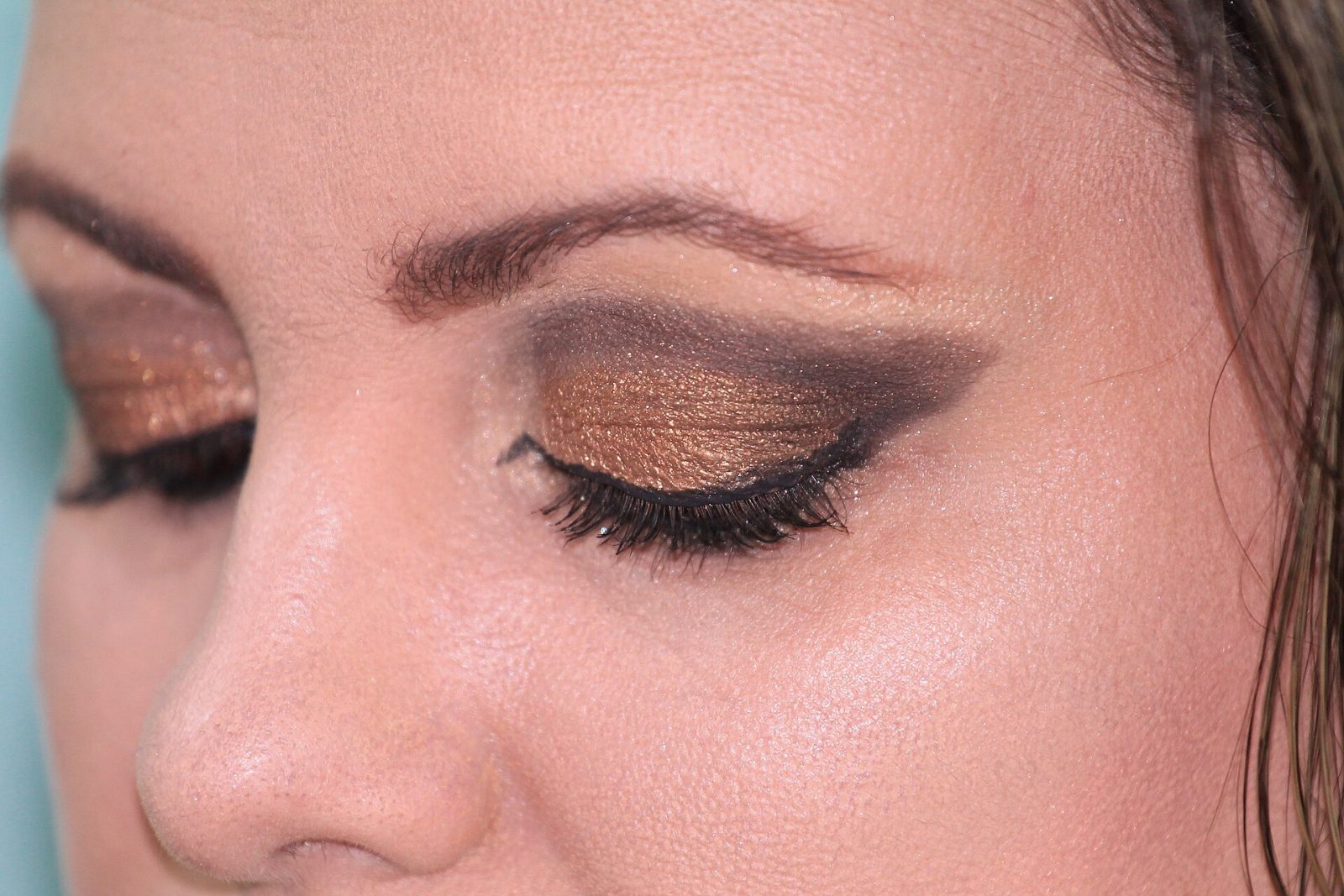
The climate affects how extensions behave. High humidity speeds up how fast some adhesives cure, while very dry air in air-conditioned rooms slows it, so experienced technicians adjust products and room conditions. Practical points for UAE life:
- Heat and sweat. Gym sessions and summer heat do not ruin extensions, but rinse sweat off gently with lash cleanser rather than rubbing.
- Pools and sea. Chlorine and salt water can weaken adhesive over time. Rinse with clean water afterwards.
- Oily skincare and sunscreen. Oil-based products near the eyes break down the glue faster, so use oil-free cleansers and keep sunscreen off the lash line.
- Home service. Many technicians offer home visits. The hygiene standards should be the same as in a salon: fresh disposables, sanitised tweezers and good lighting.
Choose your technician for the health of your natural lashes in three months, not just for how dramatic the set looks on day one.
How to choose a technician
- Look at healed results, not just fresh sets, ideally two to three weeks after application.
- Check that the salon holds a valid trade licence and follows the municipality’s hygiene rules.
- Ask which adhesive is used and whether a patch test is offered.
- Watch for single isolation: each extension on one natural lash.
- Make sure weight and length are matched to your own lashes.
Prices vary between salons, home-service technicians and styles, so compare current menus and remember to budget for regular infills.
Aftercare at home
Avoid getting them wet for the first day if your technician recommends it, then wash daily with a lash shampoo and a soft brush. Brush through with a clean spoolie, sleep on your back or on a silk pillowcase, and skip mascara on the extensions. Our lash and brow aftercare checklist has a printable routine.
Frequently asked questions
Do lash extensions ruin your natural lashes?
Correctly applied extensions of a suitable weight should not cause lasting damage. Problems usually come from extensions that are too heavy, lashes glued together, or removing them by pulling.
How long do lash extensions last?
The set gradually thins as natural lashes shed, which is why infills are needed every two to four weeks. Without infills most people have only a few extensions left after about a month or so.
Can I wear lash extensions during pregnancy?
Many people do, but hormonal changes can affect how well the adhesive holds, and fume sensitivity can increase. Speak to your doctor if you have any concerns and tell the technician you are pregnant.
Can I remove extensions myself?
It is safer to have them removed by a technician using a proper remover. Pulling or using oils roughly can take your natural lashes with them.
Sources: American Academy of Ophthalmology, US FDA: Cosmetics, Dubai Municipality
Cover photo: lisa_eglinton, CC BY 2.0. Last reviewed: 2026-11-25. General information only, not medical advice. Please consult a licensed practitioner in the UAE about your own situation.
