
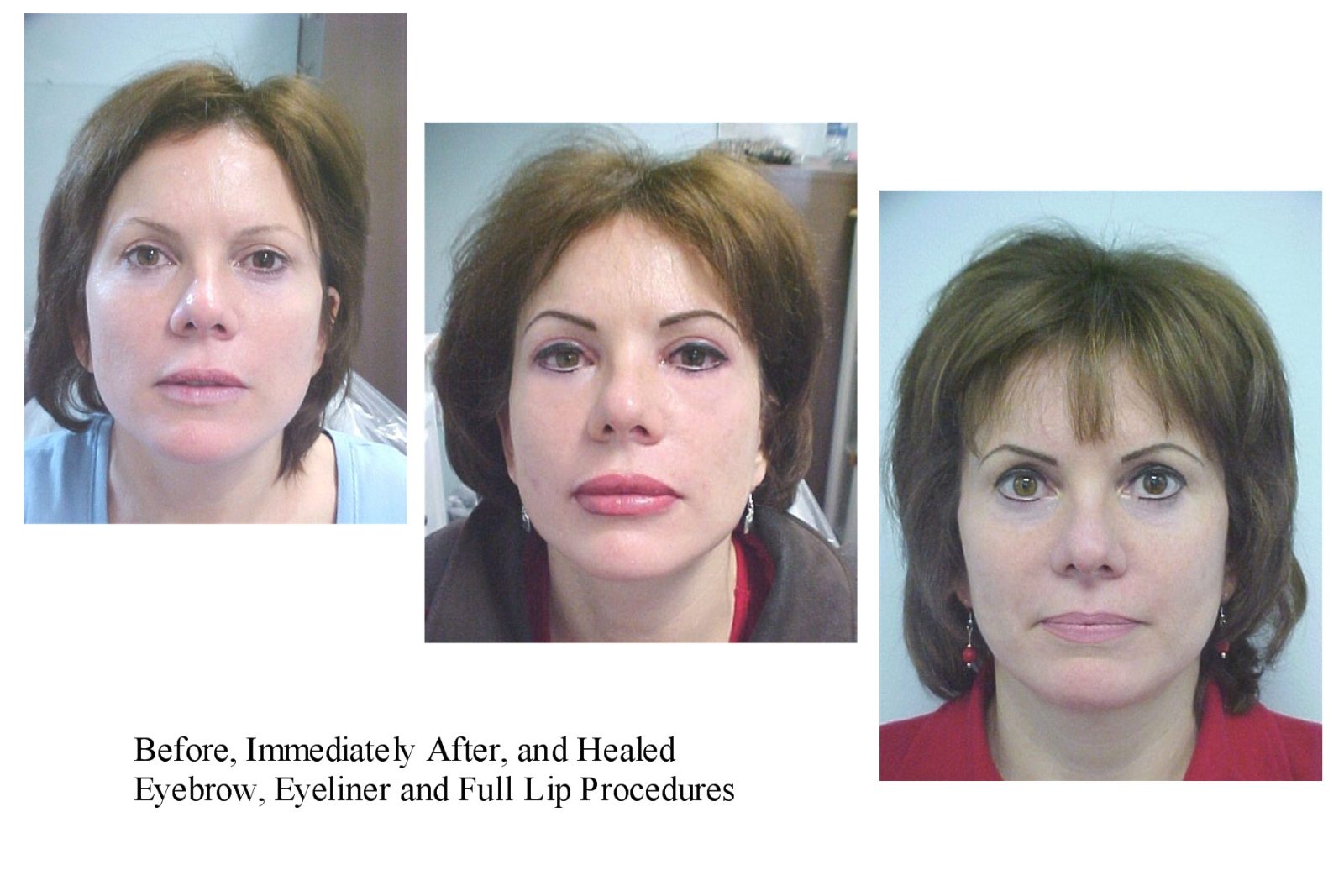
The main benefits of microblading are fuller-looking brows that keep their shape day and night, less time spent on makeup, and a natural hair-stroke effect that suits many people with sparse or uneven brows. It is semi-permanent, needs a healing period and touch-ups, and is not right for every skin type, so the benefits only hold up when the client is a good candidate and the artist is skilled.
In this guide
- A quick reminder: what microblading is
- Benefit 1: brows that survive heat, sweat and swimming
- Benefit 2: time saved every morning
- Benefit 3: a natural hair-like look
- Benefit 4: help with sparse, over-plucked or uneven brows
- Benefit 5: designed around your face
- The honest trade-offs
- Who should avoid or postpone microblading
- What healing looks like
- Choosing an artist in the UAE
- Frequently asked questions
A quick reminder: what microblading is
Microblading is a form of cosmetic tattooing. The artist uses a handheld tool fitted with a row of tiny needles to scratch fine lines into the upper layers of the skin and deposit pigment, imitating individual brow hairs. Because the pigment sits shallower than a traditional tattoo, it fades over time, typically needing a colour refresh every year or two.
Benefit 1: brows that survive heat, sweat and swimming
Makeup brows smudge. In the UAE, where summer temperatures and humidity can make pencil and powder slide off by midday, many people find this the most practical benefit. Once healed, microbladed strokes stay put through gym sessions, beach days and long shifts. There is no need to redraw them after a swim.
Benefit 2: time saved every morning
Filling and shaping brows can take several minutes a day. Over months, that adds up. Microblading gives a consistent base, so many clients either skip brow makeup or use only a little gel.
Benefit 3: a natural hair-like look
Done well, the strokes follow the direction your own hairs grow. This can look softer than a solid block of colour, especially on people who want a “no-makeup” style. It also works well to fill small gaps in otherwise reasonable brows.
Benefit 4: help with sparse, over-plucked or uneven brows
People often turn to microblading after years of over-plucking, or when brows have thinned with age. It can also balance brows that sit at slightly different heights or have different shapes. Some people with hair loss conditions consider it too, although they should speak to their doctor first, because the cause of hair loss matters.
Benefit 5: designed around your face
A good appointment begins with mapping: measuring and drawing the brow shape before any pigment goes in. You see and approve the design first. That planning step is part of what you are paying for.
The real benefit is not the strokes themselves, it is a brow shape that has been measured and agreed before anything permanent happens.
The honest trade-offs
Benefits are only half of the picture. Here is how they balance against the limits:
| Benefit | The trade-off |
|---|---|
| Brows that last through sweat and swimming | Fades over one to two years, needs touch-ups |
| Natural hair strokes | Strokes can blur over time, especially on oily skin |
| Less daily makeup | A healing period of several weeks with aftercare rules |
| Fixed, designed shape | Hard to change if trends or your taste change |
| Fills gaps | Cannot create real hair or stop hair loss |
Skin type matters more than most people expect
Microblading tends to heal crisper on normal to dry skin. On oily skin, or skin with large pores, the strokes can spread and look soft or powdery. Many artists suggest powder or combination brows for oily skin instead. Our brow techniques comparison lays out the options side by side.
Who should avoid or postpone microblading
- Pregnant or breastfeeding clients, a precaution followed by most studios
- People with active skin conditions on the brows, such as eczema, psoriasis or acne in the area
- Anyone with a history of keloid scarring
- People using isotretinoin, or who stopped very recently; ask your doctor about safe timing
- Those with bleeding disorders, on blood thinners, or with uncontrolled diabetes, unless their doctor agrees
- Anyone with a known allergy to tattoo pigments
Signs of infection after microblading
- Increasing redness, heat or swelling after the first couple of days
- Yellow or green discharge, or a bad smell
- Fever or feeling unwell
See a doctor promptly. In the UAE, a GP or dermatologist licensed by the DHA, DOH or MOHAP can assess and treat you.
What healing looks like
The first days after microblading, brows look darker and sharper than the final result. Over roughly the first two weeks they may flake and seem to “disappear” in patches before colour settles back. A touch-up visit, often around six to eight weeks later, fills any gaps. Following the aftercare plan protects the result; our aftercare checklist covers the general rules for brow and lash treatments.

Choosing an artist in the UAE
Permanent makeup in the UAE is regulated, and requirements can differ between emirates. Look for a studio that works under the proper licence for its emirate, uses single-use sterile blades, opens them in front of you, and keeps clear consent and aftercare records. Look at healed results, not only fresh photos, because healed work shows the artist’s real skill.
Frequently asked questions
How long do the benefits of microblading last?
Most people enjoy the result for around one to two years, depending on skin type, sun exposure and skincare. Touch-ups extend it.
Is microblading painful?
Most studios use numbing cream. People usually describe it as scratchy or uncomfortable rather than very painful, but tolerance varies.
Can I still tint or shape my brows after microblading?
Yes, once fully healed. Tint and shape your natural hairs as usual, but avoid harsh chemical treatments on the healing skin.
Is microblading good for men?
It can be. Artists usually use broader, denser strokes for a more masculine look. The same skin type rules apply.
Sources: American Academy of Dermatology, U.S. Food and Drug Administration, tattoos and permanent makeup, Dubai Health Authority
Cover photo: Ohmargieg at English Wikipedia, CC BY 3.0. Last reviewed: 2026-11-25. General information only, not medical advice. Please consult a licensed practitioner in the UAE about your own situation.
