
A lip blush tattoo is a semi-permanent cosmetic tattoo that places a soft tint of pigment into the lips to even out their colour and sharpen the outline. It is not a filler and does not change lip volume. Results usually soften over one to a few years, and the healing process has distinct stages that surprise many first-time clients.
What lip blush is, and what it is not
Lip blush belongs to the family of permanent makeup (PMU) treatments, alongside microblading and powder brows. A trained artist uses a fine needle cartridge in a handheld machine to deposit pigment into the upper layer of the lip skin. The aim is usually a natural “my lips but better” tint, although some clients choose a stronger lipstick-like effect.
It is worth being clear about what the treatment cannot do. It does not add volume, lift the lips or correct asymmetry in shape the way a dermal filler might. It also does not remove dark lip pigmentation by itself; if your lips are naturally dark or uneven, a neutralising step may be planned first, and results on darker lips can be less predictable. Our guide to lip pigmentation treatment explains the other options for that concern.
| Question | Lip blush tattoo | Lip filler | Lipstick or stain |
|---|---|---|---|
| Changes colour | Yes, semi-permanently | No | Yes, temporarily |
| Changes volume | No | Yes | No |
| Who performs it | Trained PMU artist | Licensed medical practitioner | You |
| Typical duration | One to a few years, with fading | Months | Hours |
| Main risks | Infection, cold sore flare, uneven healing | Bruising, lumps, vascular complications | Minimal |
How a session usually runs
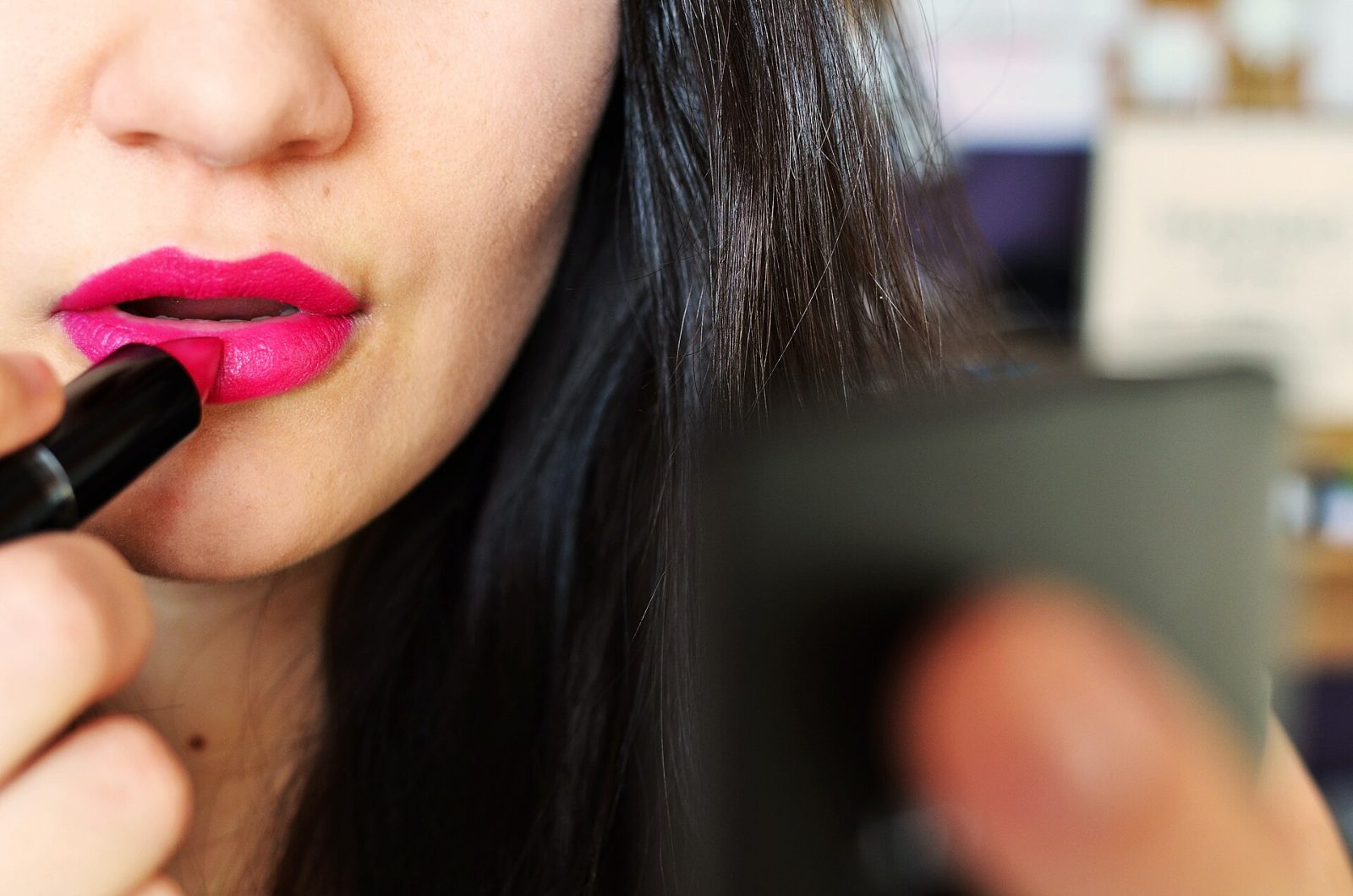
Every studio has its own routine, but a first appointment generally includes:
- Consultation. Medical history, cold sore history, allergies, current medicines and any recent lip filler are discussed.
- Colour matching. The artist considers your natural lip tone and skin undertone, because the same pigment heals differently on different lips.
- Mapping. The outline is drawn on and adjusted until you approve it.
- Numbing. A topical anaesthetic cream is applied to reduce discomfort.
- Tattooing. Pigment is layered gradually across the lips; this commonly takes one to two hours including numbing.
- Aftercare briefing. You leave with written instructions and, often, a balm.
A follow-up “perfecting” session is normally booked several weeks later, once the lips have fully healed and the true colour is visible.
The healing stages: why the colour seems to change
Lip blush is known for looking dramatic at first and then appearing to vanish before it settles. Knowing the stages in advance prevents a lot of worry.
Typical healing timeline
- Days 1 to 3: swelling, tenderness and colour that looks much brighter than intended
- Days 3 to 7: lips feel dry and tight, then flake or peel; do not pick
- Week 2 onward: colour can look very pale or patchy, often called the ghosting phase
- Weeks 4 to 6: colour gradually returns from beneath as the skin matures
- About 6 to 8 weeks: a touch-up session fills gaps and adjusts the shade
These timings vary from person to person. Lips heal faster than many other skin areas but also lose pigment more readily, which is why a second session is part of the standard plan rather than an extra.
Who should avoid or postpone lip blush
Because lip blush breaks the skin, it is not suitable for everyone.
Avoid or seek medical advice first if you
- Are pregnant or breastfeeding
- Have an active cold sore, or get them often (ask a doctor about preventive medication, as tattooing can trigger a flare)
- Have had lip filler very recently; ask your practitioner and artist how long to wait
- Take blood-thinning medication or are on, or recently stopped, isotretinoin
- Have a history of keloid scarring, poorly controlled diabetes, or a weakened immune system
- Have had an allergic reaction to tattoo pigments or to topical anaesthetics before
Red flags after treatment include increasing pain or swelling after day three, pus, fever, spreading redness or blisters that look like a cold sore. Any of these needs prompt medical attention rather than waiting for the next studio appointment.
Aftercare in the first two weeks
Studios differ slightly, but most aftercare plans share the same principles.
- Keep the lips clean and lightly moisturised with the balm you are given
- Drink through a straw for the first days and avoid very hot, spicy or salty food
- Do not pick, peel or scrub the flaking skin
- Avoid lipstick, lip scrubs, saunas, steam rooms and swimming pools until healed
- Avoid kissing and sharing cups while the lips are open, to reduce infection risk
Our lash and brow aftercare checklist follows the same logic for brow and lash treatments, and many of the hygiene points carry over to lips.
Living with lip blush in the UAE
Strong year-round sun is one of the main reasons cosmetic tattoos fade, and lips are often forgotten when applying sunscreen. Once healed, a lip balm with SPF helps protect the pigment, especially if you spend time at the beach or outdoors. Air-conditioned rooms can also dry the lips, so regular moisturising helps both comfort and colour retention.
Lip blush is a slow treatment: the colour you see on day one is not the colour you will live with.
How to choose an artist
Look for an artist who works in a licensed premises, uses single-use sterile needle cartridges opened in front of you, can show healed results (not only freshly done photos), and asks detailed health questions before booking. In the UAE, beauty and permanent makeup premises are licensed by the local authorities of each emirate; ask the studio which licence it holds. If the artist dismisses your questions about cold sores, allergies or medication, that is a reason to look elsewhere. You can also compare brow approaches in our brow techniques comparison if you are planning several PMU treatments with the same artist.
Cost considerations
Prices vary widely depending on the artist’s experience, the studio and whether the touch-up is included. Rather than relying on advertised figures, ask for a written quote in AED that states whether the perfecting session, numbing and aftercare balm are part of the price, and what any later colour refresh costs.
Frequently asked questions
Does lip blush hurt?
Most people describe it as uncomfortable rather than painful once numbing cream has taken effect. Sensitivity varies, and lips can feel sore for a few days afterwards.
How long does a lip blush tattoo last?
It commonly lasts one to a few years. Sun exposure, skin type, smoking and exfoliating products can all shorten that time.
Can lip blush be removed if I do not like it?
Fading and removal are possible, for example with laser treatment by a qualified practitioner, but removal is slower and less predictable than application. Choosing a soft shade first is the safer approach.
Can I have lip blush if I get cold sores?
Possibly, but speak to a doctor first. Tattooing can trigger a flare, and some clients are advised to take preventive medication before the appointment.
Sources: American Academy of Dermatology, NHS, Dubai Health Authority
Cover photo: Maria Morri, CC BY-SA 2.0. Last reviewed: 2026-11-25. General information only, not medical advice. Please consult a licensed practitioner in the UAE about your own situation.
