
Lip contour filler is a small amount of hyaluronic acid filler placed along the border of the lips to sharpen their outline, rather than to add obvious volume. It can define a faded lip line or improve symmetry, but it is a medical injection with real risks, so it should only be done by a licensed doctor in a licensed clinic.
What “lip contour” means
The lip contour is the edge where the red part of the lip (the vermilion) meets the surrounding skin. In many people this border is crisp in their twenties and gradually softens with age, sun exposure and smoking. A contour treatment aims to bring back a cleaner line, sometimes together with the Cupid’s bow and the small ridges that run from the nose to the upper lip (the philtral columns).
Compared with a classic lip filler, contour work usually uses less product and places it more precisely. The goal is a lip that looks neater and more defined rather than bigger.

Contour filler compared with other lip options
| Treatment | Main effect | How long it usually lasts | Reversible? |
|---|---|---|---|
| Lip contour filler (HA) | Sharper outline, mild lift at the border | Often around 6 to 12 months | Yes, with hyaluronidase |
| Volume lip filler (HA) | Fuller body of the lip | Often around 6 to 12 months | Yes, with hyaluronidase |
| Botox lip flip | Slight eversion of the upper lip | A few months | Wears off on its own |
| Lip blush tattoo | Colour and a more defined look | Fades over a few years | Only with removal treatments |
Duration depends on the product, the amount used, how active the area is and your own metabolism, so treat these as rough guides rather than promises.
Who might consider it
Contour filler is commonly discussed for people who:
- feel their lip line has become blurred or flat
- have an uneven border on one side
- want definition without a noticeably larger lip
- see lipstick “bleeding” into fine lines around the mouth, although these lines may need other treatment too
Who should avoid or postpone lip filler
- Pregnant or breastfeeding women
- People with an active cold sore, infection or skin condition around the mouth
- Anyone with a known allergy to hyaluronic acid products or to lidocaine, which many fillers contain
- People with certain autoimmune or bleeding disorders, unless their doctor agrees
- Anyone who has had permanent filler in the lips before, without specialist assessment
If you get cold sores, tell your doctor. Injections around the mouth can trigger an outbreak, and some practitioners suggest preventive medicine for people with frequent episodes. That is a medical decision for your doctor.
What happens during treatment
- Consultation. Your medical history, medicines and expectations are discussed. Photos are usually taken.
- Numbing. A topical numbing cream may be applied, and many fillers contain lidocaine.
- Injection. The doctor places small amounts of filler along the border with a fine needle or a blunt cannula.
- Shaping and review. The area is gently checked for smoothness and symmetry.
- Aftercare and follow-up. Many clinics review the result after about two weeks, once swelling has settled.
Good contour work is subtle. If friends notice “something is different” but cannot say what, the outline has probably been done well.
Swelling, bruising and recovery
Lips swell easily, so mild to moderate swelling is common for a few days, sometimes longer. Small bruises can appear. Most people return to work the next day, but it is sensible not to book treatment right before an important event.
Common aftercare advice
- Avoid pressing or massaging the lips unless your doctor tells you to
- Skip strenuous exercise, saunas and very hot environments for a day or two
- Avoid alcohol for the first day if possible, as it may increase swelling
- Use a cold compress wrapped in cloth for short periods
In UAE summers, avoid long periods outdoors in strong heat for the first couple of days.
Risks you should know about
Most side effects are mild and temporary, such as swelling, tenderness, bruising and small lumps that settle. Less common problems include lumps that last, uneven results, filler migration above the lip line and infection.
The most serious risk is a vascular occlusion, where filler blocks or compresses a blood vessel. The lips have important arteries close to the surface, which is why training, anatomy knowledge and the ability to act fast matter so much. Hyaluronic acid fillers can be dissolved with an enzyme called hyaluronidase, and a well-prepared clinic keeps it on hand.
Contact the clinic or seek urgent care immediately if you notice
- Pain that is severe or getting worse rather than better
- Skin that turns white, dusky, blue or mottled
- Blisters or scabs appearing in the treated area
- Any change in vision

Choosing a practitioner in the UAE
Dermal fillers are medical procedures. In the UAE, injectable treatments should be carried out by licensed medical practitioners in a facility licensed by the DHA in Dubai, DOH in Abu Dhabi or MOHAP in other emirates. Before booking, it is reasonable to ask:
- Who will inject, and what is their licence and specialty?
- Which product will be used, and is it an approved hyaluronic acid filler?
- What is the plan if there is a complication, and is hyaluronidase available?
- Will you get a follow-up visit?
Be wary of home visits for fillers, very cheap “per syringe” offers or products that cannot be named. If you are also thinking about colour rather than shape, our pages on lip blush and lip pigmentation explain those options, and the brow techniques comparison covers the brow side of permanent makeup.
Frequently asked questions
Will lip contour filler make my lips bigger?
It may add a small amount of fullness at the border, but the aim is definition. If you want more volume, discuss it openly so the plan matches your goal.
Can contour filler be removed?
Hyaluronic acid filler can usually be dissolved with hyaluronidase by a doctor, although this can cause its own swelling and occasional reactions.
Does it hurt?
Most people describe pinching and pressure rather than strong pain, especially with numbing cream and lidocaine in the filler. Comfort levels vary.
How soon can I wear lipstick?
Many clinics advise waiting at least a day to reduce the risk of infection at the injection points. Follow your clinic’s specific advice.
Sources: Dubai Health Authority, American Academy of Dermatology, NHS
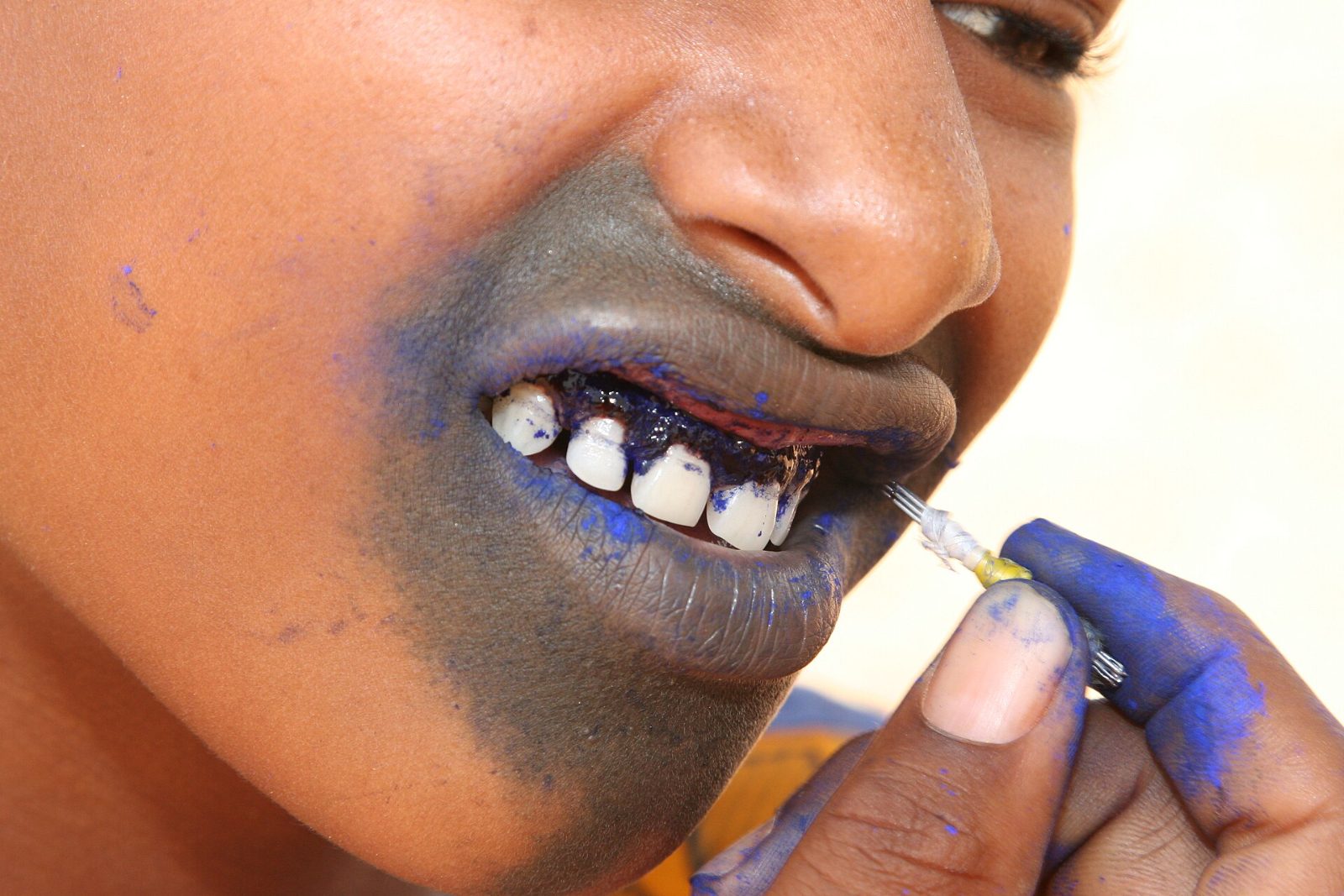
Cover photo: Ferdinand Reus, CC BY-SA 2.0. Last reviewed: 2026-11-25. General information only, not medical advice. Please consult a licensed practitioner in the UAE about your own situation.
