

Silk lash extensions are not made from real silk. The name describes synthetic fibres, usually a polyester called PBT, that are finished with a glossy sheen and often a slightly fuller, darker look than so-called “mink” or “faux mink” lashes. They suit people who want a defined, mascara-like finish, and they are applied in the same way as other individual lash extensions.
Silk, mink and other lash fibres
Lash suppliers use names that sound like natural materials, but most professional extensions sold today are synthetic. The differences are in finish, flexibility, thickness, curl retention and how dark the fibre looks.
| Name on the menu | Usually made of | Finish | Typical feel and look |
|---|---|---|---|
| Silk | Synthetic PBT fibre | Glossy | Defined, slightly bolder, mascara-like |
| Mink or faux mink | Synthetic PBT fibre | Matte or semi-matte | Softer, lighter-looking, natural |
| Cashmere or flat lashes | Synthetic fibre, sometimes split or flattened | Matte | Lightweight with a fuller appearance |
| Real mink | Animal fur | Natural, varies | Fine and soft, but curl drops when wet; welfare concerns |
Exact weight, thickness and shine vary from brand to brand, so two salons offering “silk” lashes may use quite different products. If you have sensitive or fine natural lashes, the diameter (thickness) and length matter more than the name.
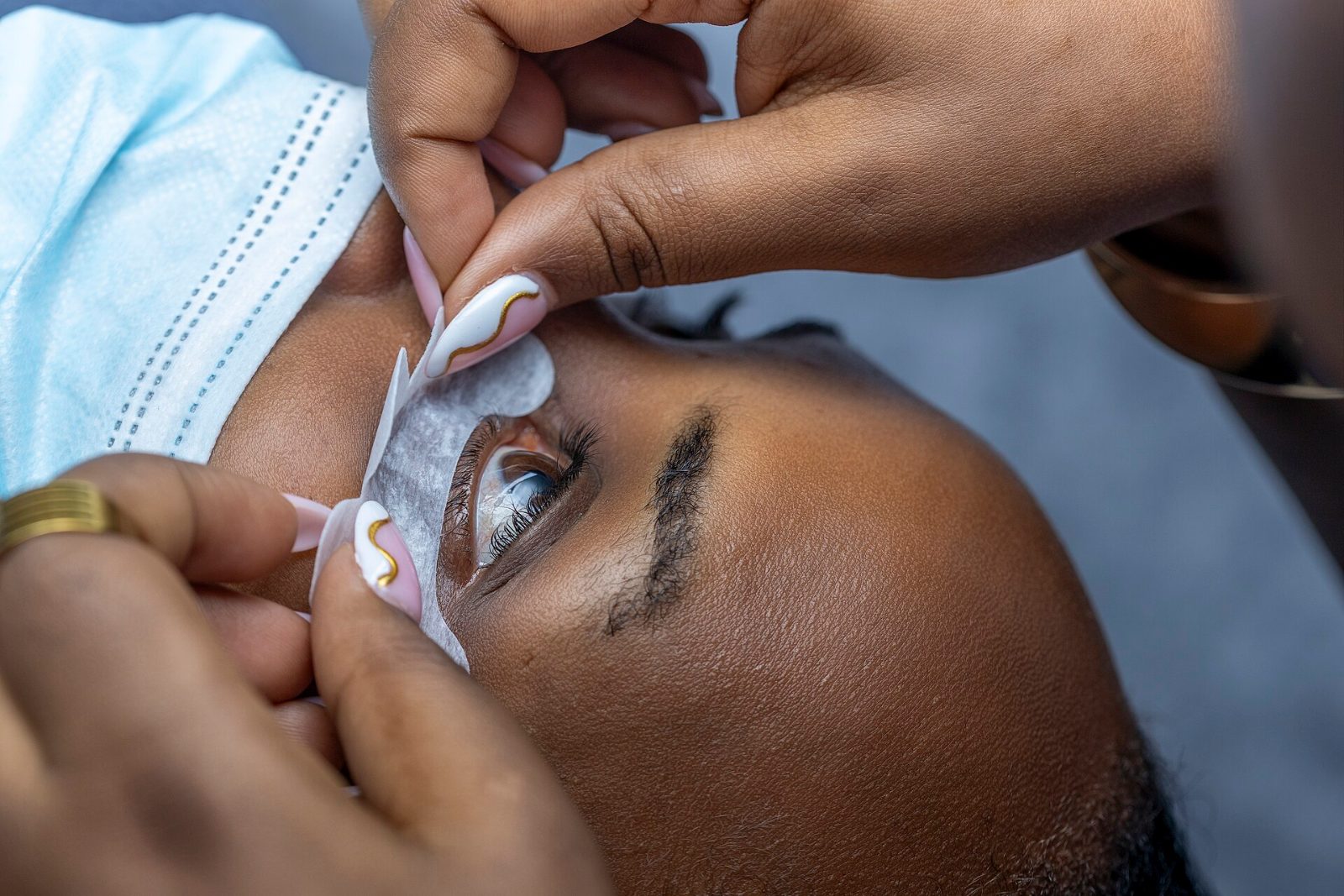
Who silk lashes suit
Silk lashes tend to suit people who:
- Like the look of glossy, freshly applied mascara
- Want a classic set with clear definition rather than a soft, fluffy volume set
- Have reasonably strong natural lashes that can carry a slightly thicker fibre
- Prefer a darker lash line, for example to frame the eyes for evening or events
They may be less ideal for very fine, short or weak natural lashes, where a lighter matte fibre in a thinner diameter usually puts less strain on each lash. A technician should assess your natural lashes before recommending a fibre.
Choose the fibre for your natural lashes first and the finish second. The healthiest set is one your own lashes can comfortably carry.
How silk lashes are applied
Application is the same as for other individual extensions. Your technician isolates one natural lash, dips the extension in a small drop of lash adhesive and attaches it a little away from the lid skin. For a classic silk set, one extension goes on one natural lash. Silk fibres can also be used in hybrid sets, mixed with softer volume fans. A full set usually takes a couple of hours, and infills are typically needed every two to four weeks.
For a broader overview of styles, risks and the application process, see our main guide to lash extensions, and for a softer look, our guide to natural lash extensions.
Safety: what to know before booking
The fibre itself is rarely the problem. Most complications come from the adhesive, from poor technique, or from extensions that are too heavy.
Avoid or postpone extensions if you have
- An eye infection, conjunctivitis, a stye or blepharitis
- A known allergy to cyanoacrylate lash glue or a previous reaction to extensions
- Recent eye surgery, until your eye doctor agrees
- Very weak, sparse or broken natural lashes
- Chemotherapy or a condition causing lash loss
Ask for a patch test before your first full set, especially if you have sensitive eyes or allergies. Seek medical advice promptly if your eyelids swell, itch intensely, become painful, or if you notice discharge, blurred vision or sensitivity to light after an appointment.

Aftercare for silk lashes
Silk lashes are durable, but good aftercare protects both the extensions and your natural lashes.
Daily care
- Follow your technician’s advice about keeping lashes dry for the first hours
- Cleanse daily with an oil-free lash cleanser and a soft brush
- Brush gently with a clean spoolie each morning
- Avoid oil-based make-up removers and heavy eye creams near the lash line
- Do not pull, rub or pick at extensions; book a professional removal instead
- Skip mascara on extensions; the glossy finish already gives definition
Our printable lash and brow aftercare checklist covers the first days in more detail.
Silk lashes in UAE conditions
Humidity, heat and frequent swimming are part of life in the UAE, and they affect how any lash set wears.
- Humidity and adhesive. Experienced technicians adjust glue and room conditions for humidity so bonds cure well.
- Sweat and sunscreen. Rinse sweat away gently and keep oily sunscreen off the lash line.
- Pools and beaches. Chlorine and salt water can weaken bonds over time. Rinse with clean water after swimming.
- Air conditioning. Dry indoor air does not damage lashes, but rubbing dry, itchy eyes does. Use lubricating eye drops recommended by a pharmacist if needed.
Choosing a technician
Look for a salon with a valid trade licence, good hygiene (sanitised tweezers, fresh disposables, clean linens) and healed-result photos of silk sets. Ask which fibre brand, diameter and adhesive will be used and how they decide length and curl for your eyes. Prices vary between studios and home-service technicians, so compare the cost of the full set and regular infills.
Frequently asked questions
Are silk lash extensions heavier than mink?
It depends on the brand and diameter. Silk fibres are often described as slightly fuller or bolder, but a thin silk lash can weigh less than a thick mink one. Ask about the diameter used.
Do silk lashes look natural?
They look defined and glossy, similar to mascara. For a softer, more natural look, matte faux mink fibres in a fine diameter are usually chosen.
How long do silk lash extensions last?
The extensions stay on until your natural lash sheds, so a set gradually thins over a few weeks. Most people book infills every two to four weeks.
Are silk lashes vegan?
Synthetic silk lashes do not contain animal material. If this matters to you, ask the salon to confirm the product and its ingredients, including the adhesive.
Sources: American Academy of Ophthalmology, US FDA: Cosmetics, Dubai Municipality
Cover photo: FOTO:Fortepan — ID 78227: Adományozó/Donor: Sándor Dávid. archive copy at the Wa, CC BY-SA 3.0. Last reviewed: 2026-11-25. General information only, not medical advice. Please consult a licensed practitioner in the UAE about your own situation.
